
If you’re moving to Tampa in 2025, the first surprise is this: there isn’t just one Tampa. There’s the polished, walkable Tampa of sidewalk brunches and bayside sunsets. There’s the old Florida Tampa with bungalows, oak trees, and neighborhoods that still feel a little scrappy in the best way. There’s suburban Tampa, where master-planned communities, golf carts, and longer commutes shape daily life.
That’s why choosing the right neighborhood matters almost as much as choosing the right house. Two people can both say they live in Tampa and have completely different experiences of the city.
This guide breaks down six of the most talked-about areas for newcomers: South Tampa, Hyde Park, Seminole Heights, Ybor City, New Tampa, and Westchase. For each one, we’ll cover the vibe, typical housing costs, who it suits best, and what commuting really feels like. Then we’ll get into the practical side of relocating here, including the things no one tells you about Tampa until you’ve already unpacked a few boxes.
What to Know Before Choosing a Tampa Neighborhood
Tampa is spread out in a way that catches a lot of newcomers off guard. On a map, two neighborhoods can look close. In real life, bridges, traffic, school pickup lines, construction, and afternoon storms can turn a short drive into a daily headache. That’s why lifestyle fit matters here. The “best” neighborhood isn’t universal. It’s the one that matches how you actually live.
Budget also stretches differently depending on where you land. A smaller historic bungalow near restaurants and nightlife may cost as much as a larger home with a yard farther north or west. Some people want to be near downtown, the airport, or the bay. Others care more about newer homes, top-rated schools, or access to trails and parks. Tampa gives you options, but the trade-offs are real.
South Tampa
South Tampa is the version of the city many newcomers picture first. It’s polished, busy, and full of neighborhoods that feel established rather than assembled overnight. You’ll find a mix of older ranch homes, renovated cottages, luxury new builds, and pockets of waterfront property. There’s a strong lifestyle element here too: coffee shops, boutiques, fitness studios, restaurants, and quick access to Bayshore Boulevard all shape the rhythm of daily life.
Housing costs in South Tampa tend to run high compared with much of the metro area. Entry-level options exist, but they’re often smaller, older, or in need of updates. Move closer to the water or into highly sought-after school zones, and prices climb fast. This area suits professionals, established families, and buyers who want a central location with a more upscale feel. Commute-wise, South Tampa can be convenient for downtown, MacDill Air Force Base, and parts of Westshore, but traffic on major corridors can snarl quickly, especially during rush hour or school drop-off times.
Hyde Park
Hyde Park feels like Tampa dressed for dinner. It’s one of the city’s most walkable and visually polished neighborhoods, with brick streets, historic homes, mature trees, and a compact commercial district that actually gets used by locals. Hyde Park Village gives the area a built-in social center, but the neighborhood doesn’t feel like a theme park version of urban living. It feels lived in, expensive, and comfortable in its own skin.
That comfort comes at a price. Hyde Park is one of the priciest places to live in Tampa, whether you’re renting or buying. Historic homes, townhomes, and luxury condos all carry a premium because the location is hard to replicate. This neighborhood is a strong fit for higher-income professionals, couples, and anyone who wants a walkable lifestyle close to downtown without living in a high-rise core. Commutes are one of Hyde Park’s biggest advantages. Downtown is close, the Riverwalk area is accessible, and many residents can cut down on drive time significantly. The trade-off is that parking and traffic can be frustrating when the area gets busy.
Seminole Heights
Seminole Heights has personality, and that’s the whole draw. If some parts of Tampa feel polished to the point of sameness, Seminole Heights still has edges. There are craftsman bungalows, funky bars, independent restaurants, shaded streets, and a local pride that can feel almost territorial. People don’t move here because it’s generic. They move here because it feels like somewhere.
Housing costs in Seminole Heights are generally more approachable than Hyde Park or parts of South Tampa, though prices have risen as demand has grown. You’ll still find older homes with character, but that can also mean older plumbing, smaller closets, and renovation projects hiding behind charming front porches. This area suits first-time buyers, creatives, young professionals, and anyone who values character over square footage. Commute notes are fairly favorable if you work downtown or near central Tampa, though some streets are narrower and less direct than in newer suburban areas. It’s a good middle ground for people who want city access without paying top-shelf prices.
Ybor City
Ybor City is one of Tampa’s most recognizable neighborhoods, and it doesn’t really pretend to be anything else. It’s historic, energetic, and a little loud. Former cigar factories, brick buildings, nightlife, and a strong cultural identity make it stand apart from every other part of the city. Living here means being close to restaurants, bars, events, and a neighborhood identity that still feels distinct rather than diluted.
Housing in Ybor ranges from apartments and loft-style spaces to nearby townhomes and single-family options in surrounding pockets. Costs vary more here than in some of Tampa’s more uniformly upscale neighborhoods, but demand for proximity to downtown has helped keep prices competitive. Ybor tends to suit younger renters, nightlife lovers, downtown workers, and buyers who prioritize energy over quiet. Commute access is a plus, especially for downtown and the Channel District, and streetcar access adds a little extra convenience. The obvious trade-off is noise, parking, and the fact that weekend Ybor is not the same thing as Tuesday-morning Ybor.
New Tampa
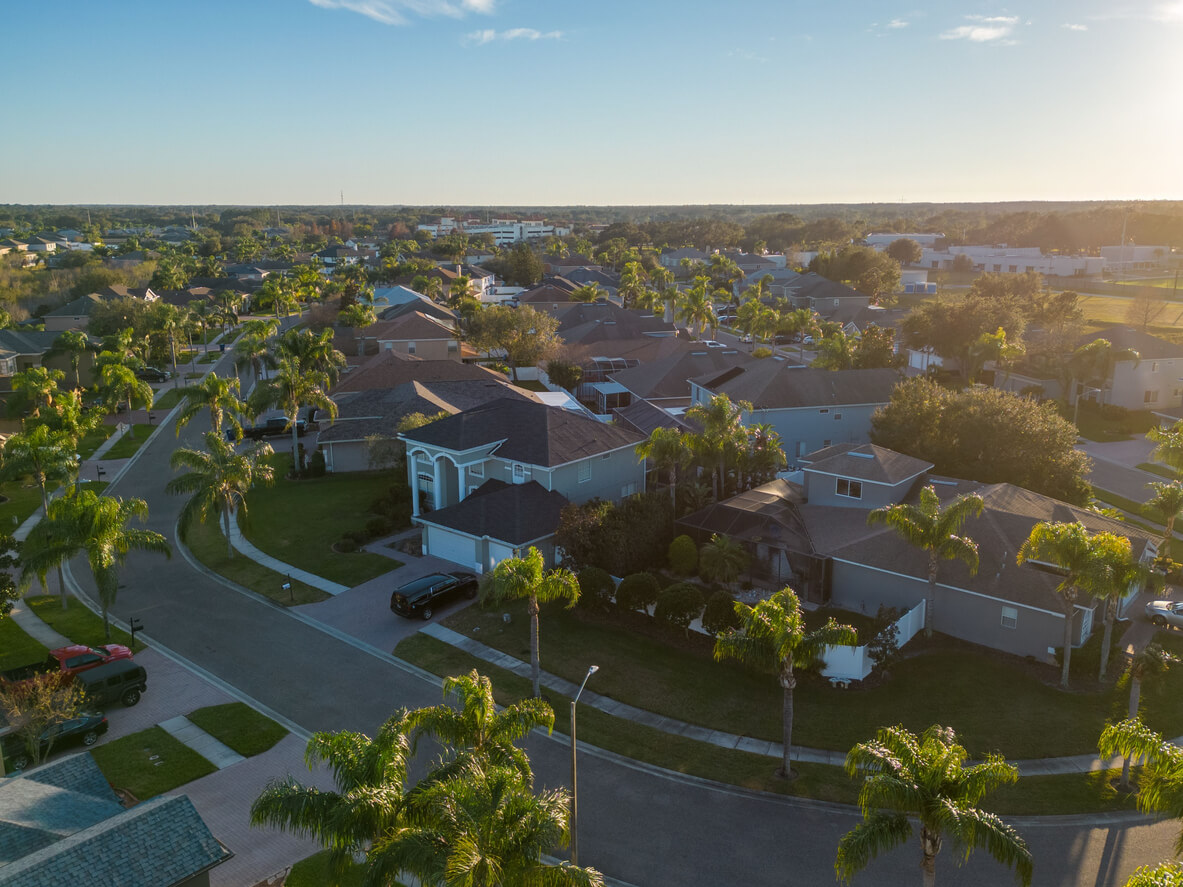
New Tampa is where many people land when they want more house, newer construction, and a suburban setup that feels organized from the jump. Think gated communities, planned developments, ponds, playgrounds, and roads lined with palms and retention lakes. It’s not old Tampa. That’s exactly why some people love it. Everything tends to feel newer, larger, and more predictable.
Housing costs in New Tampa often deliver more square footage for the money than closer-in neighborhoods, though prices have risen here too. You’ll find single-family homes, townhomes, and communities with amenities that appeal to families and long-term residents. This area suits households looking for space, newer schools nearby, and a quieter residential pace. Commute notes matter here more than almost anywhere on this list. New Tampa can feel far from downtown, South Tampa, or the airport, especially during peak traffic. If you work remotely or mostly stay in the north side of the metro, that’s less of an issue. If you need to drive across town every day, the distance can wear on you.
Westchase
Westchase is one of those neighborhoods people recommend for a reason. It’s tidy, established, and broadly appealing without feeling soulless. There are golf course communities, well-kept subdivisions, parks, trails, and shopping close enough to make daily errands painless. It gives you a suburban lifestyle, but one with enough built-in convenience that you don’t feel stranded in a sea of rooftops.
Housing costs in Westchase are typically mid-to-upper range for the Tampa area, depending on home size, school zone, and whether you’re inside one of the more sought-after sections. It’s popular with families, professionals, and buyers who want a stable, well-regarded neighborhood with a strong resale reputation. Commute-wise, Westchase works well for people heading to Westshore, Tampa International Airport, and some business districts on the west side of town. Downtown is still manageable, but not exactly effortless. For many residents, the balance of livability and relative convenience is what makes Westchase stick.
Things No One Tells You About Tampa
Tampa is an easy city to like, but living here has a few practical realities that don’t always show up in glossy relocation guides. The first is hurricane prep. Even if you don’t live directly on the water, storm season affects how people think, shop, insure, and plan. You’ll eventually learn the ritual: checking shutters, buying water, monitoring flood zones, and wondering why every gas station line suddenly looks like a concert queue. If you’re buying a home, pay close attention to evacuation zones and flood risk, not just the listing photos.
Then there’s the humidity. Not heat, exactly. Humidity. Tampa in summer can feel like walking through a warm wet towel. Newcomers often imagine they’ll “get used to it,” and to some extent you do, but you also start timing errands differently, appreciating covered parking with unusual passion, and realizing that your car’s air conditioning is not a luxury feature. It is survival equipment.
Insurance costs are another under-discussed part of moving to Tampa. Homeowners insurance, flood insurance, and wind mitigation details can change the true monthly cost of a home in a big way. A house that looks affordable on paper can become much less charming once insurance quotes arrive. This is especially true in flood-prone or coastal-influenced areas. Renters should think about coverage too, because storms and water damage don’t care whether you own the place.
And finally, toll roads. Tampa-area driving is not just about mileage. It’s about route math. Depending on where you live and work, tolls can become a regular expense. Veterans Expressway, Selmon Expressway, and other connectors can save time, but those small charges add up over a month. For some commuters, toll roads are worth every penny. For others, they become the daily tax of choosing one neighborhood over another.
How to Narrow Down Your Choice
If you’re still deciding where to land, think in terms of daily patterns rather than broad preferences. “I want a nice area” won’t help much. “I want to walk to coffee, be near downtown, and not spend every weekend on house projects” is far more useful. So is “I need a yard, a garage, and a commute that doesn’t involve crossing the city.” Tampa rewards specificity.
It also helps to visit neighborhoods at the wrong time on purpose. Go during rush hour. Go after heavy rain. Go on a Friday night if nightlife matters, or a weekday morning if school traffic might shape your routine. A neighborhood can look perfect at 2 p.m. on a sunny Saturday and feel completely different when you’re trying to get home on a stormy Tuesday.
Final Thoughts on Moving to Tampa
Tampa keeps attracting new residents because it offers a rare mix: urban energy, suburban options, waterfront access, and neighborhoods with genuinely different identities. South Tampa and Hyde Park feel central and polished. Seminole Heights feels creative and rooted. Ybor City brings history and nightlife. New Tampa and Westchase offer space and structure.
The right choice depends on what you want your ordinary Tuesday to feel like, not just what looks good in a listing. If you’re planning a move and want help getting from one front door to the next with less stress, you can get a quote from Premier Movers 4 Less.